

Articles
Featured





Where does value come from? How do we design organisations and ways of working to maximise the value we can deliver? We look at how we can use some simple principles about the origins of value to improve the outcomes of organisational design.
What’s the link between the values of the Stoics and our desire to retrospect? Read on and find out if ancient wisdom can help you inspect and adapt more effectively.
“Let’s Experiment!” I heard one leader cry. “But Why?” retorts another.
Maybe we find ourselves trying to do more with less, trying to keep pace with a competitor or even keep one step ahead. In all these cases, we will need to adapt and try new things - experimenting can be a systematic way of testing our assumptions and documenting our findings.
“Bring Your Whole Self” has been an increasingly popular theme in recent years but do we really want to share everything about ourselves with colleagues at work? What started as a genuine attempt to support greater diversity and inclusion in the workplace, has too often become a glib phrase with an implied expectation of openness. This ends up being no more authentic than leaving yourself at home. So where’s the right balance for people to be open and honest without feeling exposed?
There is a difference between Change and Transition. Here’s a model to help you think about that difference.
Personal feedback is essential in self-managing teams. It is a hugely challenging idea both for those who give feedback and for those receiving it. Few organisations recognise the huge benefits that can arise from the trust-full use of feedback and provide the effective skills development to help meet the challenge. GRACE helps organisations to think about the capabilities they need to build and the skills that underpin these capabilities.
The leadership or management debate continues. In this article I separate the hierarchical nature of management from the emergence of leadership at any level to reveal that leadership is a choice that anyone can make. In agile organisations where teams organise and manage themselves, we don’t need managers, we need leaders. Finally I provide an outline for what leadership is when you have anAgileMind.
Relative estimation is a simple concept, but one that causes all sorts of problems for new teams and for experienced agile practitioners. This article examines some of the reasons behind the confusion and suggests a new, clearer way of thinking about the process of relative estimation. This new pattern makes a very clear break from more traditional estimating techniques.
Leadership is a journey and the leader has to learn a new language in order to guide people to new levels of empowerment. David Marquet’s Ladder of Leadership visualises his approach to coaching people from follower to leader.
One of the key ‘things’ in Agile is ensuring we have a clear shared understanding of requirements. A key part of this is ensuring that the size of a piece of work fits well within a proposed time frame and doesn’t bottle neck our process while we try to get it to ‘done’. But how effectively can we really right-size work?
Visualising work is a practice that reflects the agile values of openness and transparency. But what are the pitfalls we can fall into if we attach too much importance to the visualisation?
The five-step Sprint Retrospective is a well-recognised and frequently used approach to performing a successful Sprint Retrospective. But what risks lie behind its use?
A Team Charter can be a vehicle for promoting common behaviours, building trust, encouraging honest debate and gaining shared understanding within the team. A well crafted Team Charter will help answer the question How do I know what’s expected of me and my team?
In every organisation, large or small, the difficulty of change varies from person to person, team to team and function to function. As agents of change how can we best tune our responses to these varying reactions to change. How do we make the most appropriate response to each part of the plum pudding?
As a leader do you act to create followers or to develop fellow leaders? What are the implications of these two different behaviours?
We have a choice in how we lead. That choice is likely to be based on our view of the world. Our beliefs will drive our actions. In this article we look at some of the ways in which our choices shape our experience of leading others.
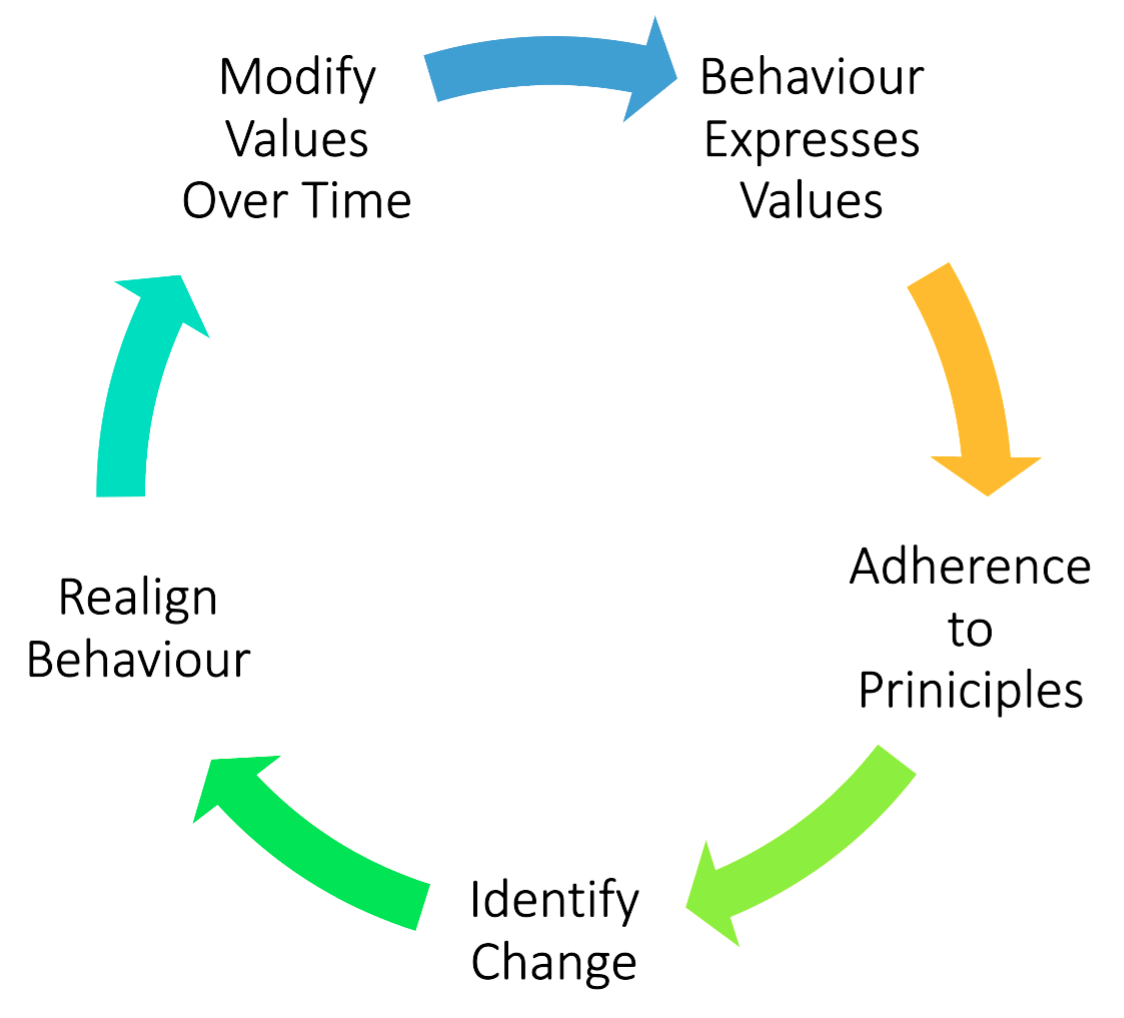
Our assertion is that the Agile Funnel implies a model of change. The funnel is a static model reflecting content and relationships. We need a more dynamic view of the model to understand how our Principles can act as the fulcrum of change for our Values and Behaviours.
In this article we briefly discuss Dan Pink’s idea that we are driven by mastery, autonomy and purpose. We then look to see how a leader can use this framework to guide their team towards experiencing the intrinsic rewards that come with it.
The increasing popularity of Product thinking and DevOps requires teams to take on more responsibilities than would traditionally have been the case. The Product Health Check focuses our concern not only on team health, but also on the health of the product context. Only by ensuring healthy teams and healthy product contexts can we sustain effective delivery.
To create change in an organisation we need an effective and usable lever acts to achieve deep change over a period of time. We demonstrate that having clear, understood links between target Values and Behaviours and our agreed Principles can provide us the lever we need. Damian Harries explores the nature of these relationships.
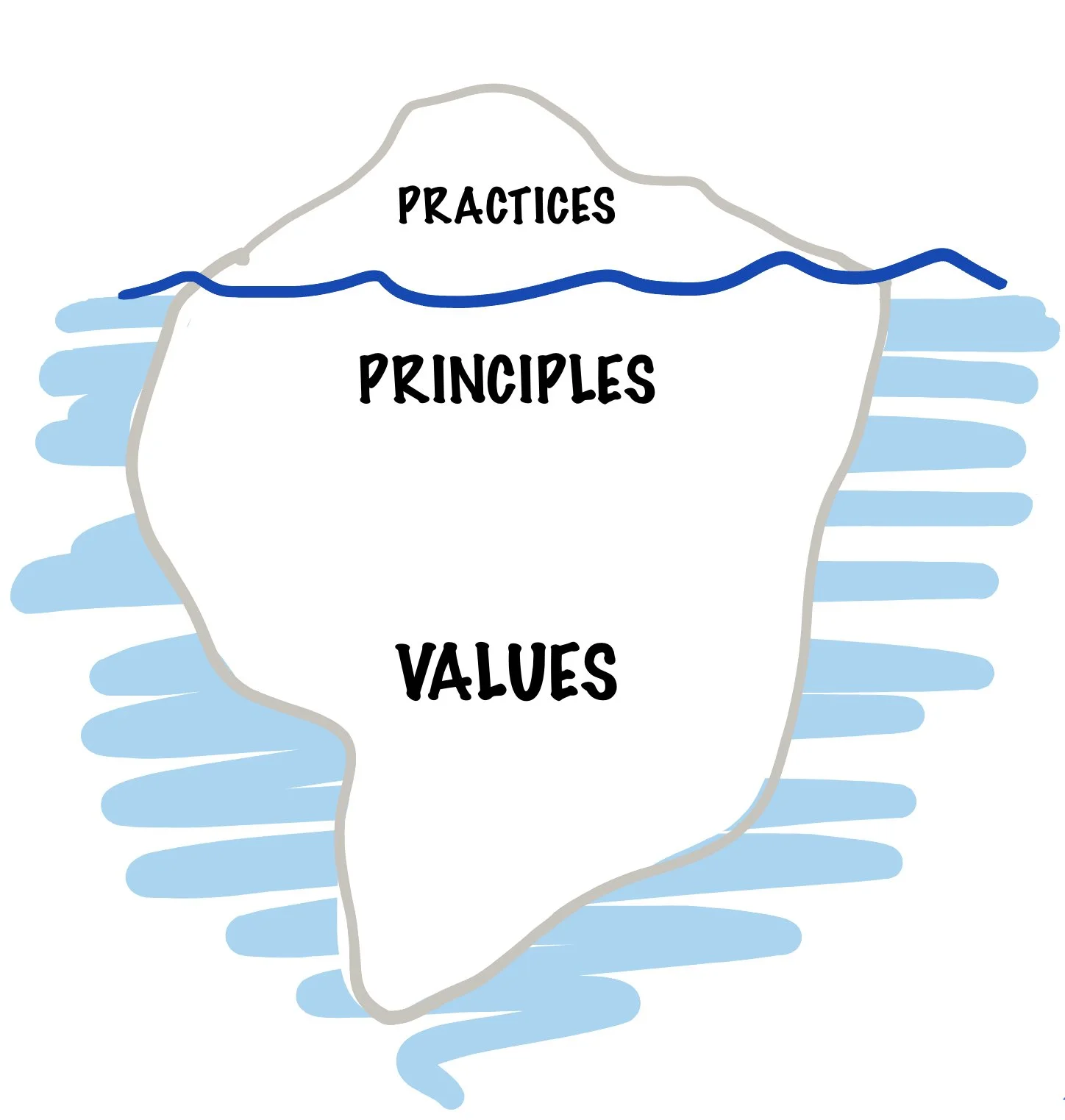
The agile funnel links the agile mindset to Values, Principles and Practices. This article explores the relationships between these elements and how we can use them to facilitate organisational change.
In this article we look at ways in which leaders can develop people according to their needs. We look at an old Japanese term, Shu-ha-ri, which describes three steps to mastery and we look at the timeless wisdom of Situational Leadership.